When to Expect Structural Repair Costs During Mold Remediation in Glen Mills
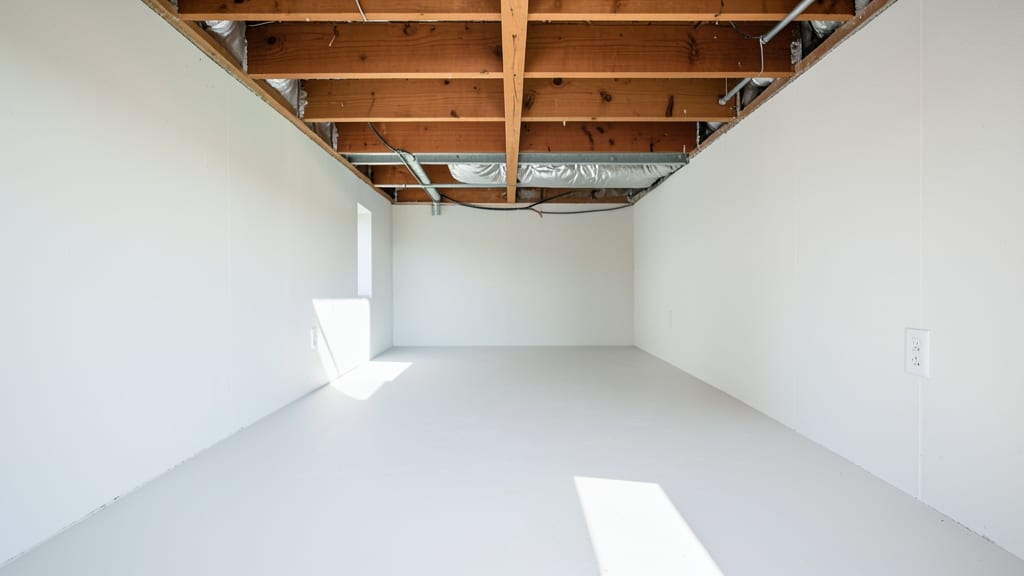
Mold doesn’t just stain walls—it can compromise the bones of your home. In Glen Mills, where humid summers and wet basements are common, hidden mold often leads to structural damage that remediation alone can’t fix. Knowing when to anticipate repairs can save you time, stress, and unexpected costs down the line.
Signs Mold Has Compromised Your Home’s Structure
Visible sagging in floors or ceilings often signals advanced wood rot beneath mold colonies. This is common in older homes around Concordville and Media, where crawl spaces trap moisture against joists and subflooring.
Cracked or bubbling drywall, especially near baseboards, usually means prolonged water exposure. In basements from Chadds Ford to Chester Heights, this often pairs with efflorescence—a white, chalky residue indicating persistent dampness.
Doors or windows that stick or fail to latch may reflect warped frames. This happens frequently in Garnet Valley and Booth’s Corner, where poor drainage or grading directs water toward foundations.
A persistent earthy smell, even without visible mold, often means hidden growth in wall cavities or under flooring. This requires professional inspection before structural damage worsens.
Common Structural Repairs After Mold Remediation
Subflooring replacement is frequent in basements and first floors, particularly in neighborhoods like Village Green-Green Ridge, where slab leaks or poor vapor barriers lead to chronic moisture.
Sistering—or reinforcing—joists becomes necessary when wood loses load-bearing capacity. This is a common fix in Dilworthtown and Lima, where older homes have unsealed crawl spaces.
Drywall removal and replacement is almost always required in walls with extensive mold. In areas like Swarthmore and West Chester, this often extends to insulation, which must be fully replaced to prevent recurrence.
HVAC ductwork may need cleaning or replacement if mold spores have colonized the system. This is especially critical in commercial spaces near Chester or Trainer, where air quality impacts many occupants.
Mold vs. Structural Damage: What’s Covered in Remediation?
Standard mold remediation focuses on containment, removal, and preventing regrowth. It does not include rebuilding damaged structures—those are separate repairs.
For example, if mold has destroyed a section of drywall in your Wawa or Boothwyn home, remediation teams will remove the contaminated material and treat the area, but installing new drywall is a structural repair.
| Task | Part of Remediation? | Structural Repair? |
|---|---|---|
| Containment setup with plastic barriers | Yes | No |
| HEPA vacuuming of spores | Yes | No |
| Antimicrobial treatment of framing | Yes | No |
| Removal of moldy drywall | Yes | No |
| Installation of new drywall | No | Yes |
| Reinforcing weakened joists | No | Yes |
| Replacing rotted subflooring | No | Yes |
| Sealing crawl space vapor barriers | Sometimes | Sometimes |
Local Conditions in Glen Mills That Raise Repair Risks
Our region’s clay-heavy soil retains water, increasing hydrostatic pressure on foundations. Without proper grading or French drains, homes in Gradyville and Parkside often see basement leaks that feed mold and rot.
Ice dams in winter are a silent culprit. Attics in Upland and Trainer can develop mold from condensation, which then seeps into ceiling joists, requiring both remediation and structural reinforcement.
Poorly maintained gutters or downspouts in Rose Valley and Linwood direct water toward foundations. Over time, this leads to cracks in masonry, allowing moisture—and mold—to infiltrate structural components.
How We Assess Structural Integrity During Inspections
We use moisture meters to detect elevated levels in wood, drywall, and insulation. Readings above 20% in wood or 15% in drywall typically indicate a problem that may require structural intervention.
Thermal imaging helps us spot temperature differences behind walls, revealing hidden moisture and potential rot. This is especially useful in historic homes in Chester or Woodlyn, where visual inspections are limited.
Probing suspect areas with a screwdriver tests for soft, spongy wood—a clear sign of decay. In crawl spaces from Folsom to Eddystone, this often confirms the need for subflooring or joist repairs.
A thorough mold inspection and structural assessment before remediation begins can uncover hidden damage early, allowing you to bundle repairs and avoid costly surprises later.
Preventing Future Structural Damage After Remediation
Proper crawl space encapsulation with a vapor barrier is one of the most effective defenses in Concordsville and Media. This prevents ground moisture from wicking into wood framing.
Installing or upgrading sump pumps and interior French drains can mitigate basement flooding. Homes in Marcus Hook and Chester often benefit from these systems to protect against recurring water intrusion.
Improving attic ventilation and insulation reduces condensation, a major mold trigger in West Chester and Swarthmore. Ridge vents, soffit vents, and baffles help maintain consistent temperatures and humidity levels.
Post-Remediation Structural Protection Checklist
- Seal all gaps in foundations, walls, and around windows
- Ensure proper grading slopes away from the home (minimum 6 inches over 10 feet)
- Install and maintain gutters and downspouts with extensions
- Use dehumidifiers in basements and crawl spaces (target <50% humidity)
- Inspect and clean HVAC ducts annually
- Monitor for new water stains or musty odors regularly
When to Call in a Structural Engineer
If our team discovers extensive rot in load-bearing walls or joists, we recommend consulting a structural engineer. This is common in older homes in areas like Cheyney or Cheyney University, where original framing may be compromised.
Engineers provide detailed assessments and repair plans, which are often required for insurance claims or permits. In commercial properties near Brookhaven or Morton, their input is critical for compliance and safety.
They can also advise on long-term solutions, such as sistering joists or reinforcing foundations, to prevent future issues. This is especially valuable in flood-prone areas like Trainer or Eddystone.
How to Document Structural Damage for Insurance Claims
Thorough documentation strengthens your case and speeds up approvals.
- 1Take Clear Photos and Videos
Capture all visible mold, water damage, and structural issues from multiple angles. Include close-ups and wide shots to show context.
- 2Keep Detailed Notes
Record dates, locations, and descriptions of damage. Note any previous water incidents or repairs in areas like basements or attics.
- 3Save All Inspection Reports
Our mold inspection and moisture mapping reports provide professional evidence of the extent and cause of damage.
- 4Get Written Repair Estimates
Obtain itemized quotes for both remediation and structural repairs. This helps adjusters understand the full scope of work needed.
- 5Check Policy Coverage
Review your policy for mold and water damage exclusions or limits. Some policies in Pennsylvania cover sudden water damage but exclude gradual issues like long-term leaks.
Frequently Asked Questions
Does homeowners insurance cover structural repairs after mold remediation in Glen Mills?
Coverage varies widely. Most standard policies exclude mold damage unless it results from a covered peril, like a sudden pipe burst. Structural repairs due to long-term moisture issues are often not covered. Always review your policy and consult your agent.
How long does it take to complete structural repairs after mold remediation?
Timelines depend on the extent of damage. Minor drywall replacement may take a few days, while reinforcing joists or replacing subflooring can take 1-2 weeks. Complex projects in older homes, like those in Swarthmore or West Chester, may require longer due to material lead times or permitting.
Can mold return if structural repairs aren’t done properly?
Absolutely. If the underlying moisture issue isn’t resolved—such as a leaky foundation in Chester Heights or poor attic ventilation in Garnet Valley—mold will likely recur. Structural repairs must address the root cause of water intrusion to prevent future growth.
Are there any local building codes in Glen Mills I should be aware of for structural repairs?
Yes. Delaware County follows the International Residential Code (IRC) and International Building Code (IBC). Permits are typically required for structural modifications, electrical work, or HVAC changes. Always check with the local building department before starting repairs.
What’s the difference between mold remediation and mold removal?
Mold removal refers to physically eliminating mold from surfaces, while remediation includes removal, containment, cleaning, and preventing regrowth. Remediation also addresses the moisture source, which is critical for long-term success in humid climates like ours.
Do you handle both mold remediation and structural repairs?
We specialize in mold remediation, inspection, and moisture control. For structural repairs, we partner with trusted local contractors in areas like Media, Chadds Ford, and West Chester to ensure seamless coordination. Request a quote to discuss your project’s needs.